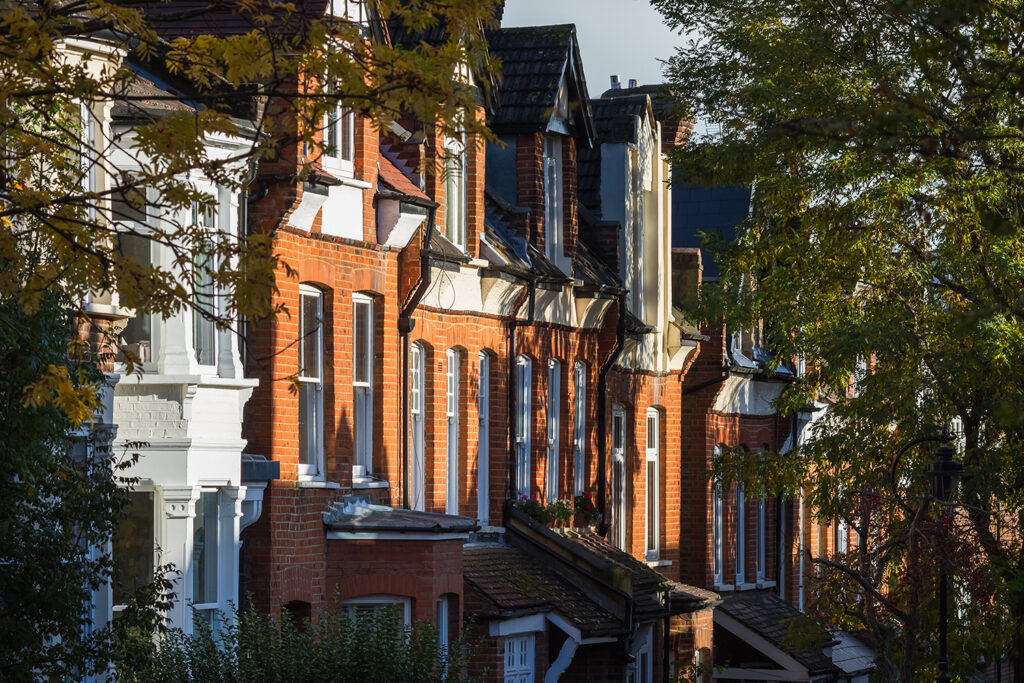
Residential Property Review – November 2026
| A tax rise of an additional 2% for property income, announced in the Budget, could cause an increase in rents and a reduction in supply | The rise in Bank Rate could knock the confidence of borrowers, who may face higher mortgage rates as a result | Glasgow City Council has announced plans to invest £674m in building over 6,500 affordable homes |
The Budget, Bank Rate and the housing market
Chancellor John Healey delivered his first Budget at the end of October, and the following week, the Monetary Policy Committee (MPC) voted to increase Bank Rate for the first time since August 2023. What does this all mean for the housing market?
Property Income Tax
In the Autumn Budget 2025, former Chancellor Rachel Reeves announced that landlords will face a 2% increase on their Income Tax bill from April 2027. In this year’s Budget, Healey confirmed that tax rates for property income will rise by an additional 2%, meaning that landlords will pay rates of 24%, 44% or 49% depending on the tax band (different tax rules apply in Scotland). Industry experts have expressed concern that this could cause an increase in rents and a reduction in supply.
First-time buyer support
The Chancellor confirmed that the previously announced ‘Your First Home’ scheme will launch in 2027, with applications set to open in February and the first property sales expected in April. The Treasury has allocated £4.7bn in funding for the scheme, which enables first-time buyers (FTBs) to buy new-build homes with a 2.5% deposit, supported by a government-backed equity loan. Eligible applicants must have a total annual household income of £110,000 or less outside London, or £140,000 or less within London.
Healey also confirmed that the new FTB ISA will be introduced in April 2029, replacing the Lifetime ISA (LISA) for new savers. Savers will receive a 25% bonus when buying their first home, on properties valued at up to £450,000.
Bank Rate
Bank Rate was increased to 4% in a bid to keep inflation under control as energy prices remain volatile. This has likely knocked the confidence of borrowers, who may face higher mortgage rates as a result, with many experts expecting to see another rise to Bank Rate in the new year.
Britain’s most affordable towns
A report from Zoopla has revealed the most affordable towns in Britain, with Shildon in County Durham taking the top spot.
The average home in Britain costs 4.3 times a couple’s combined annual earnings. However, the typical property in Shildon is priced at £73,600, which is only 1.15 times a local household income.
The second and third most affordable towns are Ferryhill and Peterlee, also in County Durham, where the average home costs £91,500 and £96,500 respectively. Scotland also featured heavily on the affordability list, with six towns located in Aberdeenshire, North Ayrshire or Fife.
Overall, the research found that there are 36 towns in Britain with a house price to earnings ratio below 2. At the other end of the list, the most expensive area is Esher in Surrey, where the average home is 11.93 times the average local earnings. Beaconsfield and Chalfont St Peter were also flagged with ratios of 11.70 and 10.58 respectively.
Affordable homes coming to Glasgow
Glasgow City Council has announced plans to invest £674m in building over 6,500 affordable homes.
This is part of the Strategic Housing Investment Programme (SHIP) which aims to tackle Glasgow’s housing emergency. A total of 12,173 new homes could be built across 59 sites by 2032, if more funding is made available. SHIP also includes measures to help Registered Social Landlords acquire 430 private sector properties for social rent. The Council has a goal to increase the population of Glasgow’s city centre from 28,341 in 2022 to 40,000 by 2035. To help achieve this, it will also explore the possibility of repurposing vacant and underused floors in former commercial properties into housing.
Councillor Ruairi Kelly at Glasgow City Council said, “These are ambitious plans built on strong foundations – Glasgow has built far more affordable homes than comparator cities like Manchester or Birmingham over the last five years, and I am determined to raise the bar even further.”
It is important to take professional advice before making any decision relating to your personal finances. Information within this document is based on our current understanding and can be subject to change without notice and the accuracy and completeness of the information cannot be guaranteed. It does not provide individual tailored investment advice and is for guidance only. Some rules may vary in different parts of the UK. We cannot assume legal liability for any errors or omissions it might contain. Levels and bases of, and reliefs from taxation are those currently applying or proposed and are subject to change; their value depends on the individual circumstances of the investor. No part of this document may be reproduced in any manner without prior permission.
(All details are correct at the time of writing 18/11/26)